
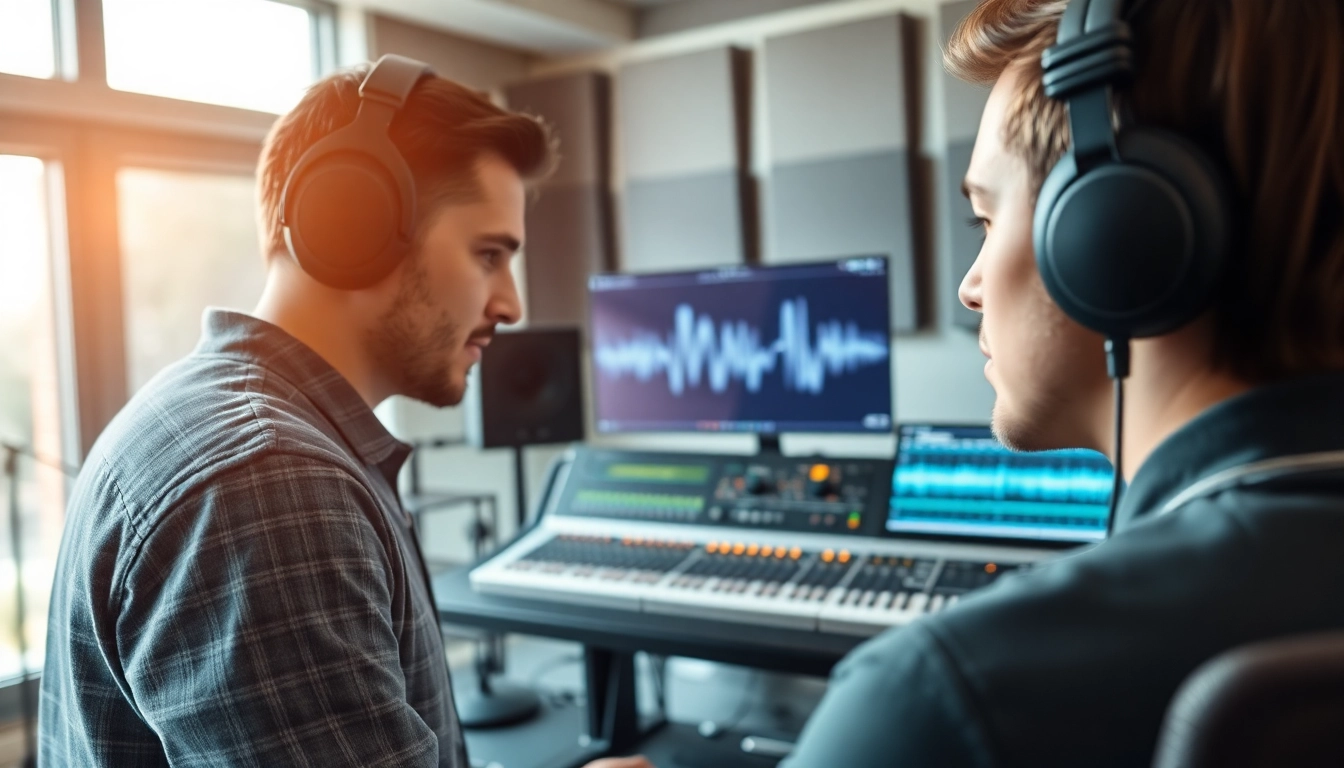
Understanding Online Audio Mastering
What is Online Audio Mastering?
Online audio mastering is the final step in the music production process, designed to enhance the sonic quality of tracks before they are distributed. Unlike traditional mastering that often takes place in a physical studio with analog equipment, online audio mastering leverages digital technology. This approach allows artists and producers to submit their mixes over the internet, receive a professionally mastered version, and finalize their music without geographical limitations. Through this method, audio engineers can apply various techniques such as equalization, compression, and limiting to ensure that the sound is optimized for all listening environments, from streamers to high-end audio systems. Notably, the growing accessibility of online tools has democratized the mastering process, making it achievable for independent musicians and small labels.
Key Benefits of Online Audio Mastering
Opting for online audio mastering comes with numerous advantages:
- Cost-Effectiveness: Online services often provide competitive pricing compared to traditional studios, allowing artists to save on overhead and studio time.
- Accessibility: Musicians can access professional mastering services from anywhere, eliminating geographical constraints and enabling collaboration with top engineers globally.
- Quick Turnaround: Many online services promise rapid processing times, ensuring that artists can release their music promptly without sacrificing quality.
- Multiple Options for Review: With many platforms, artists can receive draft versions for review, making it easier to communicate preferences and adjustments.
- Use of Advanced Tools: Online mastering services often employ cutting-edge software and plugins that can be updated regularly, ensuring that the latest technology is applied to your tracks.
Common Misconceptions about Online Audio Mastering
Despite the growing popularity of online audio mastering, several misconceptions persist:
- Less Quality: Many believe that online mastering is inferior in quality compared to studio mastering, but many online services deliver results that rival those achieved in high-end studios.
- Automated Process: Some think that online mastering is fully automated, but most reputable services are completed by skilled engineers who provide human judgment and creativity.
- Limited Customization: It is a common myth that online services do not allow customization; reputable platforms offer significant flexibility in terms of sound preferences and revisions.
- Suitable Only for Digital Formats: While digital formats are common, skilled engineers can master for vinyl and CD as well, depending on client needs.
- Only for Professionals: Online audio mastering is accessible for amateurs and professionals alike, bearing in mind that quality input will yield quality output.
Preparing Your Audio for Mastering
Mixing Tips for Optimal Mastering
Before sending your tracks for online audio mastering, it’s crucial to mix your audio effectively. Here are several tips to ensure optimal results:
- Avoid Over-Compression: While it’s tempting to maximize loudness through excessive compression, this can limit your track’s dynamic range. A more dynamic mix provides the engineer with greater headroom during mastering.
- Check Levels: Ensure that your mix is balanced, with no peaking over 0 dB. Leave headroom of at least -6 dB to allow the mastering engineer to work effectively.
- Utilize Reference Tracks: Compare your mix to professionally mastered songs in a similar genre to gauge tonal balance and dynamic range.
- Incorporate Effects Sparingly: Consider minimizing effects like reverb or delay on the master bus, as these can complicate the mastering process.
- Leave Space for Mastering: Create a mix that allows your mastering engineer the freedom to enhance the sound without correcting fundamental mix issues.
File Formats and Specifications
Choosing the right file format and specifications is essential before forwarding your audio for mastering. Most online mastering services accept WAV files with a minimum bit depth of 24 bits and a sample rate of 44.1 kHz, although higher specifications are often encouraged. Keep in mind the following:
- Lossless Formats: Utilize lossless formats such as WAV or AIFF for the best quality output.
- Stems Option: If your mix includes complex elements, consider sending individual stems (grouped tracks) for greater versatility in mastering.
- Clear Metadata: Ensure your files are properly labeled and that any necessary metadata is included to facilitate easier organization and tracking during the process.
Preparing Your Tracks for Submission
When ready to submit your tracks, take these final steps to ensure a smooth process:
- Detailed Instructions: Provide the mastering engineer with an overview of your artistic vision, including desired loudness levels or genre-specific references.
- Multiple Versions: If applicable, consider submitting different versions of your mix for varied perspectives, such as instrumental or vocal-heavy tracks.
- Contact Information: Include your contact details so the engineer can reach out for clarifications or feedback.
Choosing the Right Online Mastering Service
Factors to Consider
Selecting a fitting online mastering service involves several factors:
- Experience and Credentials: Look for services with experienced engineers who have a proven track record in mastering, particularly in your genre.
- Technology and Tools: Assess the technology that the service uses; cutting-edge tools will likely produce better results.
- Customization Options: Ensure that the service allows for needed adjustments, providing input on how your track should sound post-mastering.
Evaluating Quality and Reviews
Quality assurance is vital in the selection process. Follow these approaches to evaluate a service:
- Testimonials and Reviews: Read customer reviews and testimonials across various platforms; these insights are invaluable for understanding a service’s reputation.
- Samples of Work: Many services offer before-and-after samples that showcase their mastering quality. This is an effective way to gauge their capabilities.
- Free Trials: Some platforms may provide free trials or sample masterings, allowing you to test their service and assess compatibility with your needs.
Pricing Structures and Options
Pricing can vary widely among online mastering services, depending on the features and preferences that each site offers. When considering price, make sure to check:
- Service Packages: Review what each service package includes, particularly regarding the number of revisions and turnaround times.
- Subscription vs. Pay-per-Track: Evaluate whether a subscription model or a pay-per-track model better suits your needs, particularly if you plan to release multiple tracks.
- Hidden Fees: Be alert to any additional costs that could arise, such as fees for specific file formats or extra revisions.
The Mastering Process Explained
Step-by-Step Overview of Online Audio Mastering
The online audio mastering process typically follows a structured sequence:
- Track Submission: You upload your audio files to the mastering platform, often through a user-friendly interface.
- Initial Review: The mastering engineer conducts a preliminary assessment of the tracks to identify areas of improvement.
- Mastering Techniques Applied: The engineer applies a variety of techniques, including EQ adjustments, dynamic range compression, and stereo imaging enhancements.
- Draft Submission: A preliminary version of the mastered track is sent to you for feedback and adjustments.
- Final Revisions: Based on your feedback, the engineer applies any necessary changes before finalizing the master.
- Delivery: Once completed, you receive the final mastered track in your desired format.
Tools and Software Used in Mastering
The tools employed in online mastering can significantly influence the outcome. Here are some common types:
- Equalizers: These tools help adjust specific frequency ranges to enrich the overall sound profile.
- Limiters: Used to control peaks and ensure tracks maintain consistent loudness throughout.
- Dynamic Range Processors: These are essential for managing the balance between quiet and loud sections of a track.
- Metering Software: Crucial for analyzing levels, dynamics, and overall loudness to meet industry standards.
Understanding Mastering Corrections
Mastering corrections are adjustments made during the mastering process to enhance sound clarity and balance:
- EQ Corrections: Fine-tuning frequency balances to eliminate muddiness or harshness in the track.
- Dynamics Correction: Adjusting dynamic contrast, ensuring that softer passages are not lost while loud ones do not drown out other elements.
- Stereo Width and Imaging: Enhancing the spatial characteristics to provide a more immersive listening experience.
- Noise Reduction: Eliminating unwanted noise or artifacts that may detract from the overall audio quality.
Maximizing the Impact of Your Mastered Tracks
Distribution Strategies after Mastering
Once your tracks have been mastered, it’s pivotal to have a sound distribution strategy. Consider the following:
- Digital Platforms: Release tracks on popular streaming services and digital platforms where your target audience is active.
- Physical Copies: For niche markets or live performances, consider producing CDs or vinyl, especially for merchandising purposes.
- Social Media Promotion: Utilize your social media channels to build anticipation and engage with your audience before release.
Effective Marketing Techniques for Musicians
Marketing your mastered tracks is key for reaching potential listeners and fans:
- Promotional Materials: Create high-quality visuals, videos, and teasers to accompany your singles and albums.
- Email Campaigns: Utilize email lists to announce upcoming releases and exclusive previews to dedicated fans.
- Collaborations with Influencers: Partner with social media influencers or music bloggers to extend your reach to new audiences.
Analyzing Listener Feedback and Trends
After release, analyzing listener feedback is crucial for future projects. You can do this effectively by:
- Engaging with Fans: Use social media to collect feedback directly from listeners regarding your tracks—both what they enjoy and suggestions for improvement.
- Monitor Streaming Metrics: Platforms provide data on how often your music is streamed and by whom. Analyzing this can inform your release strategy.
- Responding to Trends: Be aware of current trends in music to ensure your sound remains relevant and appealing to your audience.
Frequently Asked Questions
1. What is the typical turnaround time for online audio mastering?
Turnaround times vary by service, but many online mastering platforms offer completed tracks within 24 to 48 hours.
2. Do I need to be a professional musician to use online mastering services?
No, online mastering services are accessible for everyone, from amateurs to seasoned professionals looking to enhance their music.
3. Can I request multiple revisions in the mastering process?
Most online mastering services allow multiple revisions, but check specific policies as they may vary across platforms.
4. What formats should I submit my audio files in for mastering?
It’s recommended to submit in WAV or AIFF format at a minimum of 24-bit depth and a sample rate of 44.1 kHz for optimal quality.
5. Is online mastering suitable for all music genres?
Yes, online audio mastering is effective across various genres. Choose a service that specializes in or has experience with your specific genre.