Understanding Custom Pins: What They Are and Their Uses
Custom pins have emerged as a versatile tool for personal expression, branding, and commemorative purposes. These small, yet impactful accessories allow individuals and organizations to display unique designs, logos, or messages. From schools and clubs to businesses and social movements, custom pins serve a variety of functions. As we delve deeper into the world of custom pins, we’ll explore their definition, popular uses, and the diverse types available on the market today.
What are Custom Pins?
Custom pins are decorative items that can be personalized in shape, size, color, and design according to the client’s specifications. They are typically made from materials such as metal, soft or hard enamel, acrylic, and wood. The process of creating these pins involves designing a unique graphic or logo that encapsulates the creator’s vision, whether it’s for individual expression, branding needs, or commemorative events.
Popular Uses for Custom Pins
- Promotional Items: Businesses often use custom pins as promotional giveaways during events, helping to build brand awareness.
- Fundraising: Non-profit organizations utilize pins to raise funds and awareness for their causes, turning them into collectible items.
- Recognition: Companies reward employees with custom pins as a sign of achievement or service, fostering team spirit.
- Personal Mementos: Individuals create custom pins to commemorate special moments, such as weddings, graduations, or reunions.
- Fashion Statements: Many people use pins to express their personal style or to make fashion statements on jackets, bags, and hats.
Types of Custom Pins Available
The range of custom pins available is extensive, catering to different tastes and purposes. Some of the popular types include:
- Lapel Pins: Commonly used in corporate environments and formal events.
- Enamel Pins: Available in soft and hard enamel finishes, perfect for detailed designs.
- Button Pins: Often used for promotional campaigns or as fashion accessories.
- Acrylic Pins: Lightweight and colorful options that offer a playful aesthetic.
- Magnetic Pins: Ideal for people wanting an easy application without damaging clothing.
Designing Your Custom Pins: Key Considerations
When embarking on the journey to design custom pins, several important factors must be considered to ensure the end product meets expectations. Whether you’re working with a designer or creating the design yourself, keeping these considerations in mind will help streamline the process.
Choosing Materials for Custom Pins
The material selected for your custom pins will significantly impact their overall look, feel, and durability. Here are some common materials used:
- Metal: Offers a classic and sturdy finish, often used for professional-grade pins.
- Enamel: Provides vibrant colors and can be made into intricate designs. It’s available in soft and hard varieties.
- Acrylic: Lightweight and versatile, ideal for colorful designs and quick turnarounds.
- Wood: A unique option that adds a natural element to custom pins.
Essential Design Elements for Custom Pins
In order to create an effective and appealing custom pin, consider the following design elements:
- Color Scheme: Choose colors that resonate with your brand or message.
- Font Selection: Use typography that is clear and matches the tone of your pin.
- Shape and Size: Consider how the pin will be worn and the impact of its shape on visibility.
- Imagery: High-quality graphics enhance the pin’s appeal and communicate its purpose effectively.
Tips for Working with Designers
Collaboration with a designer can be beneficial when creating custom pins, especially if you have a specific vision in mind. Here are some tips to ensure a successful partnership:
- Be clear about your expectations and provide examples of inspirations.
- Ask for multiple design drafts to choose from.
- Discuss potential material options that can best bring your design to life.
- Set clear timelines for feedback and revisions.
Production Process: How Custom Pins are Made
Understanding the production process behind custom pins can provide insights into how your designs will be brought to life. The journey from concept to final product involves multiple stages.
From Concept to Final Product
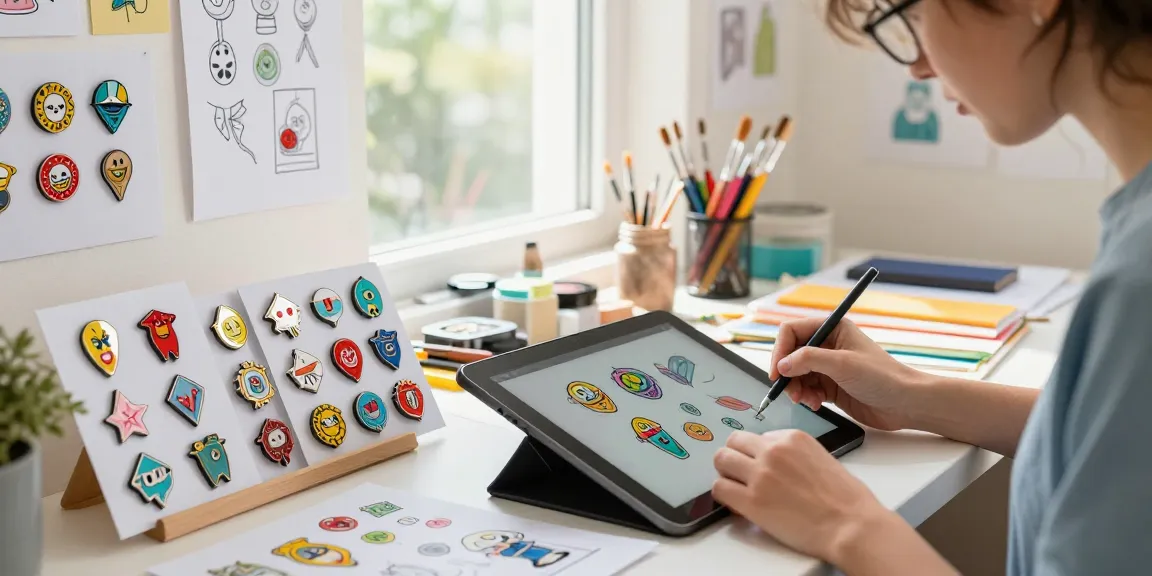
The production begins with an initial design concept, which is often created using graphic design software. Once the design is finalized, it is sent to a manufacturer where it undergoes several steps:
- Design Approval: The manufacturer may create a digital proof for client approval.
- Producing Molds: For metal or enamel pins, molds are created to shape the final product.
- Color Application: For enamel pins, colors are filled into the molds. This is a critical step that affects the pin’s overall appearance.
- Finishing Touches: Pins are polished, and any additional features (like attaching clasps) are added.
The Role of Technology in Pin Production
Modern technology plays a critical role in the production of custom pins. Utilizing advanced machinery allows for high precision and quality control throughout the manufacturing process. 3D printing technology, in particular, is becoming popular for prototype designs, providing quicker turnaround times and the ability to experiment with designs before final production.
Quality Control in Custom Pin Manufacturing
Quality control is essential to ensure that the finished products meet standards. Manufacturers often implement rigorous checks at each stage of production to confirm that designs are accurately reflected and materials are durable. This includes visual inspections and functional tests to ensure pins will wear well over time.
Marketing Your Custom Pins: Strategies for Success
Once your custom pins are created, you’ll need an effective marketing strategy to promote them. Understanding your target market and how best to reach them is crucial for maximizing sales.
Identifying Your Target Audience
To successfully market your custom pins, you must first identify who your ideal customers are. Consider demographics such as age, interests, and the specific reasons they would purchase pins. Custom pins often appeal to:
- Businesses looking for branding opportunities
- Organizations promoting causes or events
- Individuals seeking unique fashion accessories
Effective Promotion Channels for Custom Pins
Different channels can be utilized to promote your custom pins effectively. Here are some of the most effective avenues:
- Social Media: Platforms like Instagram and Pinterest are visual and allow for engaging product showcases.
- Email Marketing: Send targeted messages to potential customers who have shown interest in your products.
- Trade Shows and Events: Attend events where you can showcase and sell your pins directly to consumers.
Leveraging Social Media to Boost Visibility
Social media can significantly enhance visibility for your custom pins. Create a content strategy that includes sharing engaging visuals, customer testimonials, and behind-the-scenes content of the manufacturing process. Utilizing hashtags associated with your niche can also help to reach a broader audience.
The Future of Custom Pins: Trends to Watch in 2026
As we look ahead to 2026, various trends are emerging that will shape the custom pin industry. Staying informed about these shifts can provide a competitive edge.
Emerging Technologies in Pin Production
Advancements in technology, such as augmented reality and 3D printing, are expected to influence the design and production processes. Brands may incorporate AR features into their pins, allowing users to engage interactively with the product through their smartphones.
Sustainability in Custom Pin Manufacturing
With increased awareness surrounding sustainability, consumers are now seeking eco-friendly options. Manufacturers may respond by using recycled materials and adopting sustainable production practices.
Predictions for Custom Pin Market Growth
The custom pin market is projected to grow significantly, driven by rising demand in various sectors such as fashion, corporate branding, and charitable organizations. This growth may lead to increased competition, emphasizing the need for unique designs and effective marketing strategies.
What Are the Best Practices for Creating Unique Custom Pins?
To create standout custom pins, incorporate unique elements that reflect the purpose of your pin or brand. Consider incorporating mixed materials or innovative designs that challenge traditional shapes. Providing limited editions or artist collaborations can also create a sense of exclusivity.
How Can I Effectively Market My Custom Pins?
Effective marketing hinges on a well-rounded approach that engages your target audience through multiple channels. Utilize social media for visual storytelling and create promotions that encourage customer interaction, such as contests or giveaways.
What Trends Should I Watch in the Custom Pins Industry?
Keep an eye on trends such as interactive designs, increased demand for customization options, and the integration of sustainable practices. Staying ahead of market shifts will help you position your brand effectively.
Can Custom Pins Be Used for Fundraising or Promotions?
Absolutely! Custom pins serve as ideal fundraising items and promotional merchandise. Their collectible nature can encourage repeat purchases, especially if tied to a cause or event.
What Materials are Best for Durable Custom Pins?
For durability, metal and hard enamel are often favored due to their resilient nature. Custom pins made with these materials can withstand everyday wear, maintaining their visual appeal over time.