The Essentials of Lift Stackers for Modern Warehouses
In the fast-evolving landscape of modern warehousing, efficiency and safety are paramount. One of the critical components that have emerged as essential tools for optimizing warehouse operations is the lift stacker. These electric machines are engineered to enhance productivity while ensuring safe handling of materials. With the rise of e-commerce and the demand for faster order fulfillment, businesses are increasingly turning to electric lift stackers as an integral part of their material handling solutions. Lift stacker technology has advanced significantly, and understanding these advancements can help streamline operations in various industries.
What is a Lift Stacker?
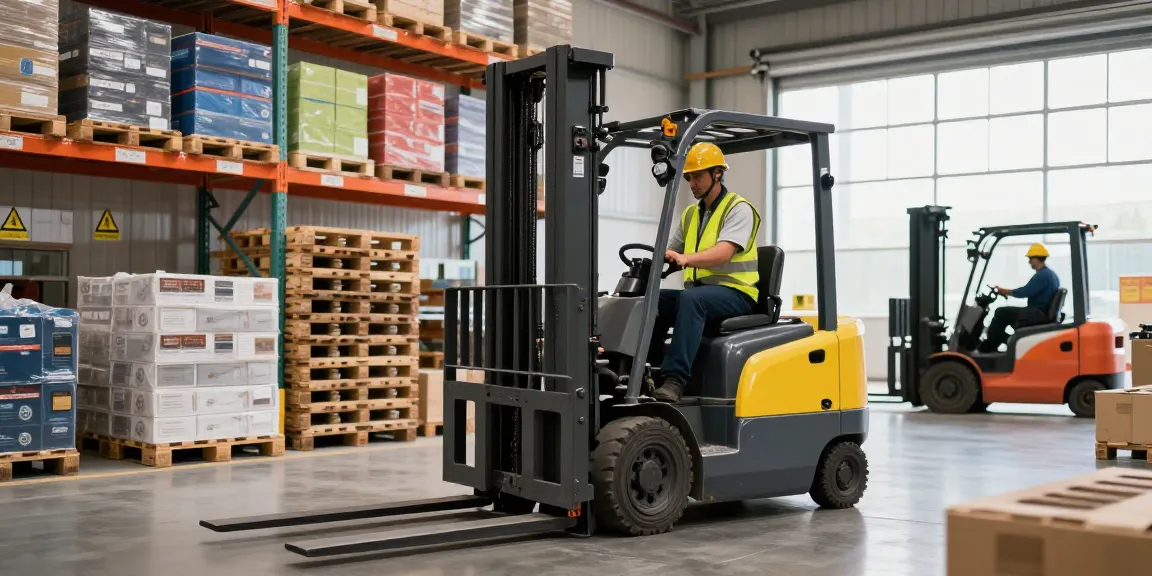
A lift stacker, often referred to as an electric stacker or pallet stacker, is a type of material handling equipment designed for lifting and transporting goods over short distances. Unlike traditional forklifts, lift stackers tend to be more compact and are optimized for indoor use, which makes them ideal for warehouse environments. They are equipped with a mast that can elevate the load, allowing operators to stack multiple pallets or goods at varying heights.
Key Features of Electric Lift Stackers
- Electric Power: Electric lift stackers run on batteries, offering clean, efficient operations without emissions that would otherwise affect indoor air quality.
- Compact Design: Their smaller footprint allows for maneuverability in tight spots, making them suitable for warehouses with limited space.
- Ergonomic Controls: Modern stackers include user-friendly controls that reduce operator fatigue and enhance safety during operations.
- Variable Lift Heights: Depending on the model, electric lift stackers can handle loads at various heights, usually ranging from 8 to 18 feet, catering to the needs of diverse warehouse layouts.
- Sensors and Safety Features: Many electric stackers are equipped with advanced safety features such as automatic braking, load sensors, and height limiters to prevent accidents.
Benefits Over Traditional Forklifts
While traditional forklifts remain valuable, electric lift stackers boast distinct advantages that make them preferable for many warehouse operations. First and foremost, their electric nature reduces operational costs as they require less maintenance and no fuel. Additionally, since they are quieter and produce no emissions, electric stackers create a better working environment for warehouse staff.
Furthermore, lift stackers are typically less expensive than forklifts, thereby lowering the capital investment needed for businesses. Their ability to efficiently navigate small aisles and work in congested areas allows for increased productivity without compromising safety.
Choosing the Right Lift Stacker
Factors to Consider in Your Selection
Selecting the right lift stacker for your warehouse requires careful consideration of several factors. First, assess the types of loads you will be handling—understanding their weight, dimensions, and stacking requirements is crucial for determining the appropriate model and capacity.
Additionally, consider the environment where the lift stacker will be used. Factors such as aisle width, floor conditions, and whether the operations are indoors or outdoors will impact your choice. Finally, evaluate the frequency of usage and the specific tasks you need the lift stacker to perform to ensure it aligns with your operational goals.
Top Models and Their Specifications
The market hosts various lift stacker models tailored to different needs. Below are some notable examples:
- Full Electric Pallet Stacker with Straddle Legs: This model typically has a capacity of 3,300 lbs and offers a lift height of 10 feet, suitable for standard pallet operations.
- Walkie Stacker with Fixed Straddle Legs: Ideal for tighter spaces, this stacker also carries 3,300 lbs weight but enhances support and stability at 12 feet of lift height.
- Compact Electric Walkie Stacker: This model is perfect for EU pallets, featuring a narrower leg design for improved maneuverability in crowded aisles.
Understanding Load Capacity and Reach
When choosing a lift stacker, knowing the load capacity and the height it can reach are crucial metrics. Load capacity refers to how much weight the stacker can safely handle. Choosing a model that exceeds your maximum expected load is advisable to ensure operational safety and longevity of the machine. Reach, on the other hand, dictates how high the stacker can lift loads; thus, it’s essential to measure your warehouse’s shelving and racking systems to select the ideal stacker height.
Best Practices for Using Lift Stackers
Safety Guidelines and Compliance
Operating a lift stacker should always prioritize safety. Operators should undergo proper training to understand the machine’s controls and safety features. Regular inspections and maintenance checks can prevent mechanical failures and enhance safety. Furthermore, adhering to OSHA guidelines and manufacturer instructions is necessary for compliance and operational safety.
Maintenance Tips for Longevity
To maximize the lifespan of your electric lift stacker, routine maintenance is essential. Here are a few tips:
- Regularly inspect the battery and charging equipment.
- Keep the wheels and forks clean and in good condition.
- Monitor the hydraulic systems for leaks and proper function.
- Schedule professional maintenance checks at least once a year.
Training Your Team Effectively
Ensuring your team is adequately trained on using lift stackers will enhance safety and efficiency. Training should cover not only operation techniques but also emergency procedures and basic maintenance protocols. Regular refresher courses can help reinforce safety practices and operational standards.
Real-World Applications of Lift Stackers
Case Studies in Various Industries
Lift stackers are versatile and applicable across industries—from retail to manufacturing. For instance, in the retail sector, businesses use lift stackers to manage warehouse stock and expedite order fulfillment, significantly improving inventory management efficiency. In manufacturing, electric stackers assist in moving heavy components and materials, thus optimizing production flow.
How Lift Stackers Enhance Productivity
The introduction of lift stackers in a warehouse can dramatically enhance productivity. Their ability to lift and transport heavy loads quickly allows workers to focus on other tasks, such as picking or packing. Moreover, their compact size enables better space utilization, which is crucial in warehouses looking to maximize vertical storage.
Success Stories from Leading Companies
Leading companies across various sectors have reported substantial improvements in operational efficiency after implementing lift stackers. For example, a major retailer noted a 30% increase in order processing speed thanks to the integration of electric stackers into their logistics operations.
The Future of Lift Stackers in 2026
Emerging Innovations and Technologies
The future of lift stackers is poised for innovation, with advancements such as automated systems and AI integration on the horizon. These technologies promise to further enhance efficiency, allowing for automated stacking and retrieval processes that will minimize human error and labor costs.
Predictions for Warehouse Automation
As warehouses increasingly adopt automation, we can expect lift stackers to evolve into sophisticated machines equipped with self-navigation capabilities and real-time monitoring systems. Such innovations will transform the way materials are handled in warehouses, emphasizing precision and efficiency.
Preparing for Industry Changes
To remain competitive, businesses must proactively adapt to industry changes by investing in the latest lift stacker technologies. This adaptation not only improves operational efficiency but also meets evolving customer expectations for speed and accuracy in fulfillment.
What Common Questions Do Customers Have?
When considering lift stackers, customers frequently ask about their versatility, maintenance needs, and capabilities compared to other equipment. Addressing these concerns is essential for ensuring informed purchasing decisions and maintaining customer satisfaction.
What Maintenance is Required for Lift Stackers?
Lift stackers require regular battery checks, inspections of the hydraulic system, and periodic assessments of the overall machinery condition. Keeping records of these maintenance activities can prolong the lifespan and performance of the stackers.
How Do Electric Lift Stackers Compare to Diesel?
Electric lift stackers have a significant advantage in indoor environments where emissions and noise are a concern. They are generally more efficient and cost-effective over time compared to diesel counterparts, making them a preferred option for many operations.
What are the Advantages of Automated Stackers?
Automated stackers reduce human intervention, which minimizes labor costs and boosts accuracy. They can operate continuously, increasing throughput during peak operational hours.
Where Can I Find Reliable Lift Stacker Models?
Reliable lift stacker models can be sourced from specialized equipment dealers like Texlift, known for their competitive pricing, quality equipment, and exceptional customer service. Exploring options with established dealers ensures you access the latest technology tailored to your operational needs.