Understanding the Benefits of a 3D Pergola Configurator
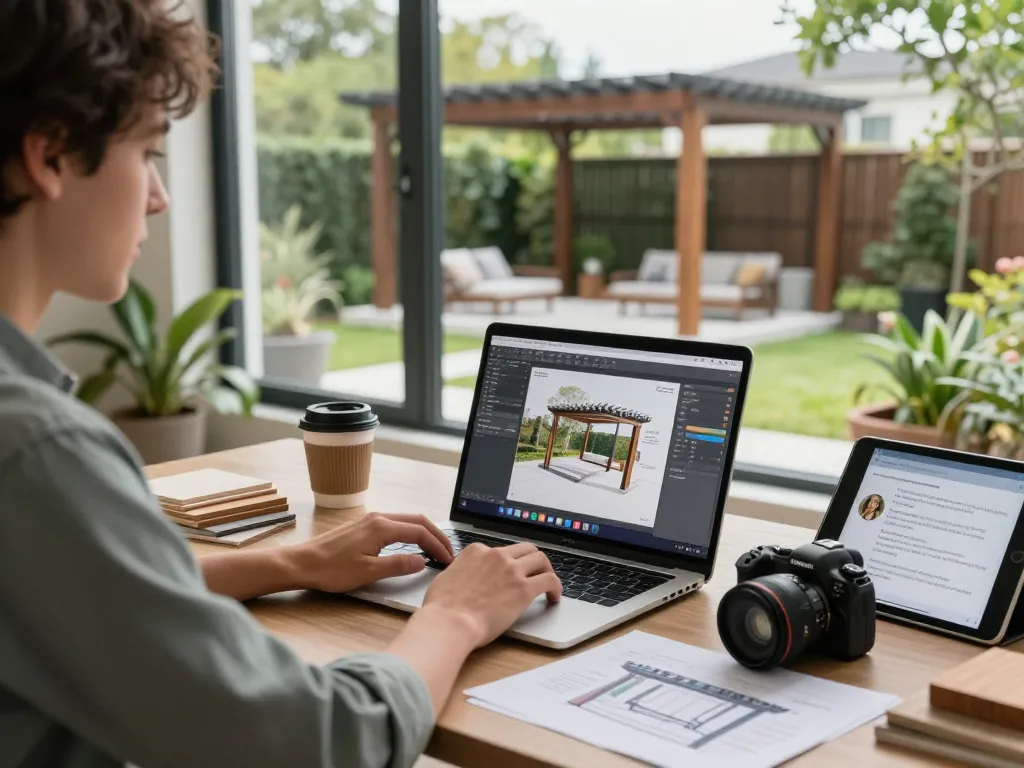
As outdoor living areas gain in popularity, a configuratore 3D per pergole has emerged as a game-changing tool for homeowners and designers alike. This innovative software allows users to visualize their ideas in real-time, simplifying the design process and helping them achieve their dream pergola with ease. With the capability to customize everything from materials to colors, a 3D configurator enables a high level of personalization that traditional methods simply cannot offer.
What is a 3D Pergola Configurator?
A 3D pergola configurator is an interactive online tool that allows users to design their pergolas by manipulating various elements, including size, shape, materials, and finishes. The configurator provides a realistic 3D representation of the proposed design, enabling users to see how their choices will look in actual settings. By combining advanced software technology with user-friendly interfaces, these configurators are revolutionizing how people approach outdoor design projects.
Benefits of Customization in Outdoor Design
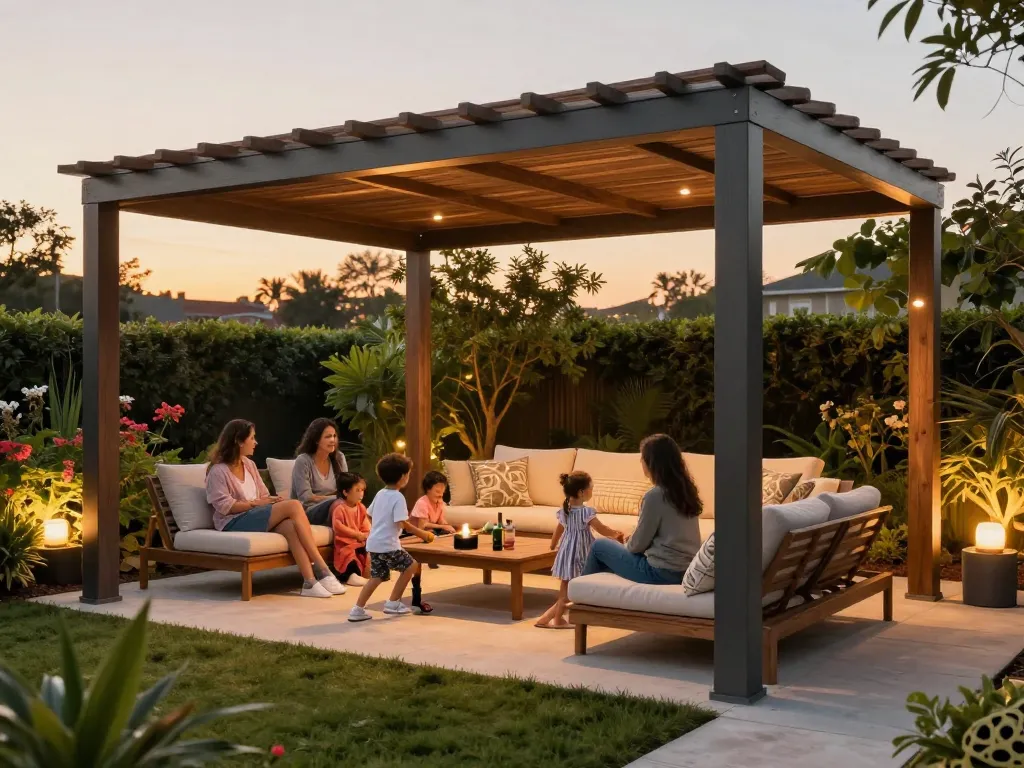
Outdoor spaces are no longer merely functional; they are extensions of our homes that reflect our personal styles. Customization through a 3D configurator offers several significant benefits:
- Personal Expression: Custom designs allow homeowners to express their taste and lifestyle preferences.
- Enhanced Aesthetics: Personalized pergolas can complement the architecture of the home and surrounding landscape, creating a harmonious outdoor environment.
- Functionality: Users can tailor pergolas to meet specific needs, such as shade, privacy, or weather resistance.
User-Friendly Features for Enhanced Experience
Modern 3D configurators are designed with user experience in mind, incorporating features that make design easier and more enjoyable. Key features often include:
- Real-Time Rendering: Users can see changes as they make them, providing instant feedback on design choices.
- 3D Rotation: Ability to view the design from multiple angles helps in understanding the space better.
- Pre-Configured Templates: For those who may feel overwhelmed, many configurators offer templates that can be customized rather than starting from scratch.
Choosing the Right Configuration Options
Materials: Wood vs. Aluminum for Pergolas
Choosing the right material for a pergola is crucial for both aesthetics and durability. Wood offers a natural look that many homeowners prefer, providing warmth and personality. However, it requires regular maintenance to prevent decay and insect damage. On the other hand, aluminum is highly durable, requires minimal maintenance, and withstands various weather conditions. The choice between wood and aluminum often comes down to personal preference, budget, and the specific climate of the area.
Shapes and Sizes: Finding Your Perfect Fit
The shape and size of a pergola can significantly affect its functionality and appearance. Common styles include:
- Rectangular: The most popular shape, suitable for a wide range of outdoor spaces.
- Square: Great for smaller areas or for creating a focal point in larger landscapes.
- Custom Shapes: Unique designs can be created to fit specific architectural styles or landscape layouts.
When designing a pergola, it is essential to consider the available space, the intended use, and how the structure will interact with existing elements in the yard.
Color and Finish: Personalizing Your Pergola
Color and finish add another layer of personalization. From natural wood tones to vibrant painted finishes, the options are endless. Users can choose to match their pergola to their home’s exterior or create a striking contrast for a bolder statement. Finishes also play a significant role in the longevity of the material, helping to protect against fading, moisture, and UV damage.
Steps to Use a 3D Pergola Configurator Effectively
Accessing the Configurator and Creating an Account
To start using a 3D configurator, users typically need to visit the specific website and create an account. This process is generally straightforward, requiring an email address and some basic information. Once logged in, users can begin exploring the various tools and features available to them.
Customization Process: A Step-by-Step Guide
Creating a custom pergola using a 3D configurator usually follows these steps:
- Select a Base Model: Choose a template that closely resembles your vision.
- Adjust Dimensions: Input specific measurements to fit your space perfectly.
- Choose Materials: Select the material you want for your pergola structure.
- Color Selection: Decide on colors and finishes that match your design aesthetic.
- View in 3D: Rotate the model to see how it looks from different angles and ensure all elements are cohesive.
Saving and Sharing Your Designs for Feedback
Many 3D configurators offer the option to save designs directly on the platform. This allows users to revisit their projects later or share them with family and friends for feedback. Some configurators even provide a direct link or downloadable images that can be used to discuss ideas with contractors or builders.
Common Challenges and Solutions When Designing Pergolas
Addressing Space Limitations in Outdoor Areas
One of the most significant challenges homeowners face when designing a pergola is limited space. To overcome this, utilizing a 3D configurator can help visualize how different sizes and shapes will fit within the outdoor area. Users can experiment with various designs to find the best fit that maximizes functionality without overwhelming the space.
Balancing Aesthetics with Functionality
A successful pergola design seamlessly blends beauty with practicality. Users must consider how the pergola will be used—whether for entertaining guests, enjoying quiet time, or enhancing the garden’s beauty. The configurator allows for adjustments in real-time, helping users see how their choices impact the overall aesthetic and functionality.
Ensuring Durability and Weather Resistance
Choosing durable materials and finishes is essential, especially in areas prone to harsh weather. A 3D configurator can help users assess how well different materials hold up to sun, rain, and wind, ensuring that the design will last for years to come. Recommendations for weather-resistant finishes can also be found within many configurators, adding an extra layer of guidance.
Future Trends in Pergola Design and Configuration
Emerging Technologies in Outdoor Design Tools
The future of pergola design is bright, with technological advancements shaping the way we visualize and interact with our outdoor spaces. Upcoming trends may include augmented reality features, allowing users to experience their pergolas in their actual environments before construction begins. These innovations aim to provide an even more immersive design experience.
Green and Sustainable Materials for Pergolas
As sustainability becomes increasingly important, more homeowners are seeking eco-friendly materials for their outdoor structures. Expect to see a rise in the availability of recycled materials, sustainably sourced woods, and eco-conscious finishes that reduce environmental impact while still providing beauty and durability.
Predictions for Pergola Styles in 2026 and Beyond
Looking to the future, pergola designs are expected to embrace elegance and minimalism, with clean lines and seamless integration into the landscape. Bioclimatic pergolas, which adapt to weather conditions, are likely to gain more popularity. Such designs not only provide shade and shelter but can also improve energy efficiency by regulating temperature.
What is the importance of a 3D configuratore for pergole?
A 3D configurator is crucial for simplifying the design process, allowing users to visualize their ideas and make adjustments in real-time. This tool empowers individuals to create personalized outdoor solutions that meet their specific needs and preferences.
How can I customize my pergola online?
Customization is straightforward using a 3D configurator. Users can select materials, adjust dimensions, and choose colors and finishes to create a unique pergola tailored to their outdoor space.
What materials are recommended for long-lasting pergolas?
Durable materials such as aluminum, treated wood, and composite materials are recommended for long-lasting pergolas. These materials provide both aesthetic appeal and resistance to the elements.
How do I save and share my pergola designs?
Most 3D configurators have a built-in feature that allows users to save their designs. Sharing options often include direct links or downloadable images, making it easy to discuss designs with family or professionals.
What features should I consider in a 3D configurator?
Key features to look for include user-friendly interfaces, real-time rendering, a variety of customization options, and the ability to visualize the design from multiple angles.